Workplace Injuries in Durango, Colorado: Understanding Your Rights
Blog Colorado Work Related Injuries
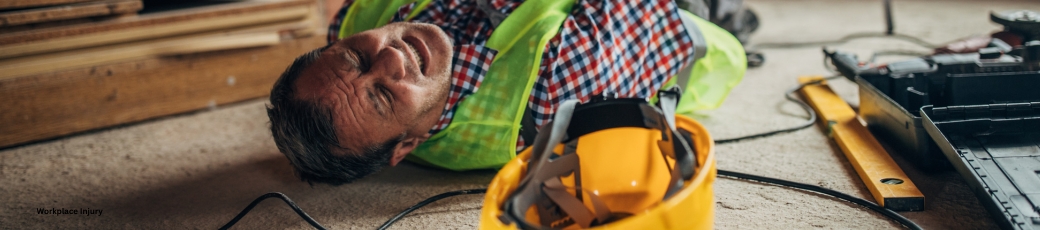
Workplace injuries can happen in any industry, affecting employees in construction, healthcare, hospitality, retail, manufacturing, and office environments. In Durango, Colorado, workers may face hazards ranging from construction site accidents and equipment malfunctions to slip-and-fall incidents and repetitive stress injuries. Whether an injury happens suddenly or develops over time, it can affect your health, ability to work, and financial stability.
Understanding your rights after a workplace injury in Durango and knowing how Colorado workers’ compensation laws apply can help you make informed decisions about your recovery and potential benefits.
Common Types of Workplace Injuries
Workplace injuries can occur in nearly any occupation. Some of the most common include:
- Slip-and-fall accidents
- Lifting and overexertion injuries
- Machinery and equipment accidents
- Falls from ladders, scaffolding, or elevated surfaces
- Repetitive motion injuries
- Vehicle accidents while performing job duties
- Exposure to hazardous substances
- Injuries caused by falling objects
Even jobs that appear relatively safe can lead to serious injuries. Repeated movements, unsafe working conditions, and inadequate training can contribute to injuries that interfere with an employee’s ability to work.
Industries With Workplace Injury Risks in Durango, Colorado
Durango and the surrounding Southwest Colorado region have a variety of industries where workplace safety is especially important. Depending on the job, employees may face risks associated with:
- Construction and roofing: Falls, falling materials, power tools, and heavy equipment can cause serious injuries.
- Tourism and hospitality: Hotel, restaurant, and resort employees may experience burns, slips, falls, and lifting injuries.
- Healthcare and nursing facilities: Employees may suffer back injuries from lifting patients, needlestick injuries, or exposure to infectious materials.
- Warehousing and manufacturing: Heavy machinery, repetitive tasks, and moving equipment can create significant hazards.
- Retail and food service: Wet floors, unsafe storage, hot surfaces, and repetitive movements can result in workplace injuries.
- Transportation and delivery: Vehicle collisions, loading accidents, and physically demanding work can put employees at risk.
Every industry has different safety requirements. Employers and employees both play important roles in identifying hazards and following applicable workplace safety procedures.
Common Workplace Injuries
A workplace accident can cause injuries that require immediate treatment or ongoing medical care. Common examples include:
- Back and spinal cord injuries
- Broken bones and fractures
- Head injuries and traumatic brain injuries
- Burns, cuts, and lacerations
- Sprains, strains, and soft tissue injuries
- Knee, shoulder, and joint injuries
- Repetitive stress injuries
- Occupational illnesses caused by workplace exposure
Some injuries are not immediately apparent. Back pain, joint problems, and symptoms following a head injury may develop or worsen over time. Seeking medical attention promptly can help identify injuries and create documentation of your condition.
What to Do After a Workplace Injury in Durango
Taking appropriate steps after a workplace accident can help protect your health and your ability to pursue workers’ compensation benefits.
1. Report the Injury to Your Employer
Notify your employer or supervisor as soon as possible. Colorado generally requires employees to provide written notice of a workplace injury within 10 days. Reporting an injury late may affect benefits, so do not delay even if your symptoms initially seem minor.
Keep a copy of your written notice and any confirmation that it was received.
2. Seek Medical Treatment
Your health should be the priority. Get emergency medical attention for serious injuries. For other work-related injuries, follow Colorado’s workers’ compensation medical-provider rules, which may require you to receive treatment from a provider designated by your employer.
Tell your healthcare provider how, when, and where the injury occurred, and follow the recommended treatment plan.
3. Document What Happened
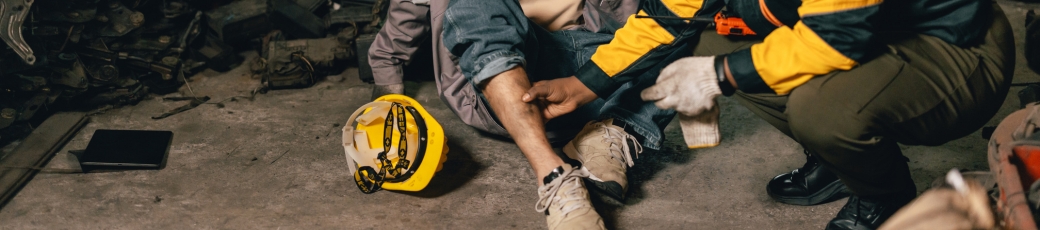
Write down the date, time, location, and circumstances of the accident. If possible, keep photographs of the hazard, equipment, or accident scene. Record the names of witnesses and save relevant messages or incident reports.
4. Keep Your Records
Maintain copies of medical records, prescriptions, work restrictions, employer communications, and paperwork from the workers’ compensation insurer. Keep track of missed workdays and other expenses related to your injury.
5. Understand Your Workers’ Compensation Claim
Colorado workers’ compensation claims have specific procedures and deadlines. You may generally need to file a Worker’s Claim for Compensation with the Colorado Division of Workers’ Compensation within two years of the injury, although exceptions may apply.
For current instructions and forms, visit the Colorado Division of Workers’ Compensation.
Understanding Workers’ Compensation in Colorado
Colorado generally requires employers with employees to carry workers’ compensation insurance, subject to certain statutory exceptions. The system is designed to provide benefits for qualifying work-related injuries and occupational illnesses, regardless of whether the employer or employee caused the accident.
Depending on the circumstances, workers’ compensation benefits may cover:
- Medical treatment for a qualifying workplace injury
- A portion of lost wages when an injury prevents you from working
- Benefits for certain permanent impairments
- Disability or death benefits when applicable
Workers’ compensation claims follow rules that differ from ordinary personal injury lawsuits. In many cases, workers’ compensation is the primary remedy an employee can pursue against an employer for a covered workplace injury.
A denied claim, delayed medical authorization, or disagreement about benefits can make the process more difficult. Understanding the rules and deadlines that apply to your situation can help you determine your next steps.
When a Third Party May Be Responsible for a Workplace Injury
Workers’ compensation is not necessarily the only legal option available after every workplace accident. In some cases, a person or company other than your employer may have contributed to your injuries.
Depending on the facts, a third-party personal injury claim may be possible when an injury involves:
- Defective equipment or machinery: A dangerous product or manufacturing defect causes an injury.
- Negligent contractors: A contractor or subcontractor creates an unsafe condition at a construction site.
- Vehicle accidents: Another driver causes a collision while you are working.
- Unsafe property conditions: A property owner or another responsible party fails to address a hazardous condition.
- Other negligent third parties: Someone outside your employer’s workforce causes or contributes to the accident.
A third-party claim may allow an injured worker to pursue damages that are not available through workers’ compensation alone. However, the availability of additional compensation depends on the circumstances, and workers’ compensation insurers may have reimbursement or lien rights related to a third-party recovery.
An attorney can help evaluate whether a potential third-party claim exists and explain how it may interact with workers’ compensation benefits.
How a Workplace Injury Lawyer Can Help
Workplace injury cases can involve medical questions, insurance disputes, filing deadlines, and complicated questions about responsibility. Depending on the nature of the case, a lawyer may be able to help by:
- Reviewing the circumstances of the workplace accident
- Explaining workers’ compensation procedures and potential benefits
- Addressing disputes involving denied or delayed claims
- Investigating whether a third party may be legally responsible
- Gathering records and other evidence related to the injury
- Explaining potential compensation and applicable legal deadlines
Not every workplace injury requires a personal injury lawsuit. The appropriate legal approach depends on the type of injury, the applicable workers’ compensation rules, and whether another party may be responsible.
Workplace Injuries in Durango and Southwest Colorado
Workplace injuries can affect employees throughout Durango, La Plata County, and nearby Southwest Colorado communities. Whether an accident occurs at a construction site, a restaurant, a healthcare facility, a warehouse, or an office, an injury can create unexpected medical expenses and uncertainty about returning to work.
Colorado law provides protections for eligible injured workers, but the claims process can be difficult to navigate without understanding the applicable requirements. Prompt reporting, appropriate medical care, and careful recordkeeping can help workers protect their interests after an accident.
How Brasure Law Firm Can Help After a Workplace Injury
Brasure Law Firm, PLLC helps individuals understand their legal options after personal injuries. If you were injured at work in Durango, Colorado, it is important to determine which laws apply, whether workers’ compensation benefits may be available, and whether a third party could be responsible for your injuries.
Depending on the circumstances, legal guidance may help you understand the claims process, identify potential sources of compensation, and make informed decisions about your next steps.
Before proceeding, confirm that the firm is authorized to provide legal services for your particular matter in Colorado.
Protecting Your Rights After a Workplace Injury
A workplace injury can have lasting physical, emotional, and financial effects. Getting appropriate medical care, reporting the accident promptly, and understanding Colorado’s workers’ compensation requirements can help you navigate the process.
If you were injured while working in Durango or elsewhere in Southwest Colorado, learn about your rights and the options that may be available for your situation. Taking action early can help preserve important evidence and prevent avoidable delays in addressing your claim. Contact Brasure Law today.