
Who Is Responsible for Injuries Caused by Falling Tree Branches or Trees on Texas Property?
Blog Personal Injury Property Claims TexasTrees provide shade, beauty, and protection from the Texas heat. However, damaged, diseased, or poorly maintained trees can also create serious safety hazards. A falling tree or branch can injure pedestrians, damage vehicles, or cause significant property damage.
For property owners and residents in McAllen, Edinburg, and throughout the Rio Grande Valley, severe weather, strong winds, and heavy rain can increase concerns about falling branches and unstable trees.
But what happens when a tree or branch falls and injures someone? Can a property owner be held responsible under Texas law?
The answer depends on the circumstances, including the tree’s condition, who owned or controlled the property, and whether the responsible party knew or should have known about the danger.
Can a Property Owner Be Held Responsible for a Falling Tree in Texas?
In certain circumstances, yes. A property owner may face liability if a dangerous tree or branch causes an injury and the owner’s negligence contributed to the accident.
For example, a property owner may have concerns about a tree that is:
- Dead or visibly decaying
- Diseased or weakened by pests
- Leaning dangerously toward a walkway or neighboring property
- Showing significant cracks or broken limbs
- Damaged by previous storms
- Located where falling branches could injure visitors or passersby
However, the presence of a damaged tree does not automatically establish negligence. A potential claim generally depends on whether the tree created an unreasonable risk of harm, whether the property owner had the legally required knowledge of the danger, and whether the owner failed to take reasonable steps to address it.
The facts surrounding the accident are important when determining whether a property owner may be responsible.
What If a Tree Falls During a Texas Storm?
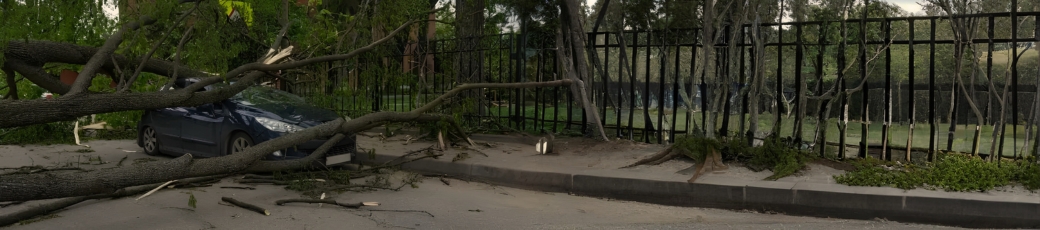
Texas weather can change quickly. Strong winds, thunderstorms, heavy rain, and other severe weather conditions may cause branches or entire trees to fall.
But does a storm automatically protect a property owner from liability?
Not necessarily.
A tree that was healthy and reasonably maintained before an unexpected storm may fall without the property owner being negligent. In some circumstances, damage caused solely by an unforeseeable natural event may not result in liability.
However, the situation may be different if the tree was already dead, diseased, unstable, or visibly dangerous before the storm.
For example, if a property owner knew that a large dead branch was hanging over a frequently used walkway but failed to address the hazard, that condition may be relevant to determining whether the owner acted negligently.
The Texas Law Help Disaster Manual explains that a property owner’s failure to address a diseased, dead, or otherwise dangerous tree before a storm may affect whether the owner can be held responsible for resulting damage.
What Happens If a Falling Tree Branch Injures Someone on Your Property?
Property owners may have legal responsibilities to people who enter their property, but the applicable duties depend on the circumstances.
Texas premises liability law distinguishes between different categories of visitors, including invitees, licensees, and trespassers. The duties owed to each category are not identical.
For example, a customer visiting a business may be treated differently from someone entering private property for a social visit.
Depending on the visitor’s legal status and the facts of the incident, important questions may include:
- Was the tree or branch an unreasonably dangerous condition?
- Did the property owner know or have the legally required knowledge of the danger?
- Was the injured person aware of the condition?
- Did the property owner fail to take reasonable steps to address the hazard?
- Did that failure cause the injury?
A falling branch injury does not automatically mean the property owner is liable. The injured person generally must establish the elements required for the applicable legal claim.
Can You Sue a Neighbor If Their Tree Falls on Your Property?
Tree-related disputes between neighbors can become complicated, particularly after severe weather.
In Texas, the location of a tree’s trunk generally helps determine who owns the tree, although exceptions may apply. A neighboring property owner generally has the right to trim branches extending over their property line, but they must avoid improperly damaging the tree or another person’s property.
If a neighbor’s tree falls onto your property, responsibility may depend on the tree’s condition before it fell.
If the Tree Was Healthy Before the Storm
If a healthy tree falls solely because of strong winds or another natural event, the neighbor may not automatically be responsible for the resulting damage.
In such situations, homeowners’ insurance may be relevant to determining how damage to a home, fence, or other property is covered.
If the Tree Was Dead or Dangerous Before the Storm
The situation may be different if the neighbor knew or should have known that the tree was dead, diseased, or dangerously unstable.
Evidence that the neighbor received warnings about the tree or ignored visible signs of deterioration may be relevant when evaluating potential negligence.
For example, if you previously notified a neighbor in writing that a dead tree was leaning toward your home and the neighbor failed to address it, that communication may become important if the tree later falls and causes damage.
However, liability depends on the facts and applicable law. A tree crossing a property line or dropping branches does not automatically establish a legal claim.
What If a Tree Falls on a Public Sidewalk or Road?
Tree-related accidents can also involve sidewalks, streets, parks, and other public areas in McAllen and Edinburg.
If a tree or branch maintained by a city or another government entity falls and injures someone, the situation may involve governmental liability.
Texas law generally protects governmental entities from many lawsuits through sovereign or governmental immunity. The Texas Tort Claims Act provides limited exceptions, but those exceptions have specific requirements.
For example, a falling tree branch injury involving a public sidewalk may raise questions about whether the claim qualifies as a premises defect and whether the government entity had the required actual knowledge of the dangerous condition.
In a 2024 Texas appellate case involving a branch that fell on a pedestrian in Fredericksburg, the court addressed the actual-knowledge requirement in a premises liability claim against a city and dismissed the claim because the required knowledge was not established.
Claims against government entities may also involve special notice requirements and deadlines. If you were injured by a falling tree or branch on public property, it is important to understand these requirements promptly.
What Should You Do If You Are Injured by a Falling Tree or Branch?
If a falling tree or branch causes an injury in McAllen, Edinburg, or elsewhere in the Rio Grande Valley, consider taking the following steps.
1. Seek Medical Attention
Your health should come first. Call 911 if the injury is serious or requires emergency assistance.
Falling branches can cause head injuries, fractures, spinal injuries, and other serious harm. Even if an injury initially appears minor, seek appropriate medical attention and follow your healthcare provider’s recommendations.
2. Document the Scene
If it is safe to do so, photograph or record:
- The fallen tree or branch
- The condition of the tree before or after the incident
- The surrounding property
- Any visible damage or injuries
- Nearby warning signs or barriers
- Weather conditions and other relevant details
Avoid approaching an unstable tree or remaining near damaged branches that could fall.
3. Gather Witness Information
If anyone saw the incident or knew about the tree’s condition beforehand, collect their names and contact information when possible.
Witnesses may be able to explain whether the tree appeared damaged, whether the property owner had been warned, or what happened immediately before the injury.
4. Preserve Relevant Records
Keep copies of medical records, incident reports, insurance communications, repair estimates, and any messages about the tree’s condition.
If you previously warned a property owner about a dangerous tree, preserve those communications.
5. Understand Your Legal Options
If you believe a property owner’s negligence contributed to your injury, consider seeking legal guidance.
Tree-related injury claims may involve complicated questions about property ownership, maintenance responsibilities, notice of dangerous conditions, insurance coverage, and governmental immunity.
Understanding these issues early can help you determine what options may be available.
How Brasure Law PLLC Can Help After a Falling Tree Injury
An injury caused by a falling tree or branch can leave you dealing with medical expenses, missed work, property damage, and uncertainty about who may be responsible.
Brasure Law PLLC represents injured individuals in personal injury matters in Texas.
If you were injured by a falling tree or branch in McAllen, Edinburg, Mission, Pharr, or elsewhere in the Rio Grande Valley, the firm can help you understand whether you may have a potential personal injury claim.
Depending on the circumstances, a premises liability matter may involve:
- Reviewing how the accident occurred
- Evaluating the tree’s condition and available evidence
- Identifying the property owner or responsible party
- Examining whether warnings or prior complaints existed
- Evaluating potential insurance coverage
- Explaining the legal options that may be available
Every case is different. Whether compensation may be available depends on the facts, evidence, and applicable Texas law.
Contact Brasure Law PLLC to schedule a confidential consultation and discuss your situation.
Protect Yourself From Dangerous Trees and Falling Branches
Trees can create hazards when they become damaged, diseased, or unstable. Property owners should pay attention to visible signs of deterioration and consider having potentially dangerous trees evaluated by a qualified professional.
After severe weather, avoid standing near damaged trees or hanging branches, and report dangerous conditions when appropriate.
If you or someone you love is injured by a falling tree or branch in McAllen, Edinburg, or the Rio Grande Valley, understanding your rights may help you determine what to do next.
Brasure Law PLLC can help you explore your potential legal options after a serious injury.