
Can Surveillance Video Help Prove a Personal Injury Case in Texas?
Blog Personal Injury TexasIf you are injured in a car accident, slip and fall, workplace accident, or another type of personal injury incident, you may remember exactly what happened. But your memory may not be the only evidence available.
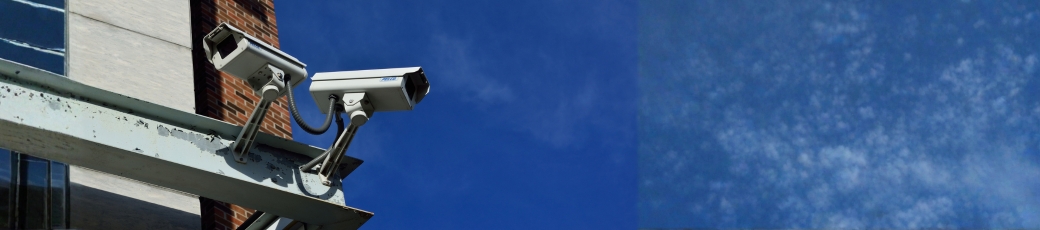
Surveillance cameras can sometimes capture what happened before, during, or after an accident. A camera outside a McAllen business could record a slip and fall in a parking lot. A grocery store camera could capture a dangerous condition before someone is injured. A camera at an apartment complex could record an accident in a parking area or walkway.
Surveillance video can be valuable evidence in a personal injury case, but it is not automatically available, and it does not necessarily prove who was responsible. Knowing where potential footage may exist and acting quickly to preserve evidence can be important.
How Can Surveillance Video Help in a Personal Injury Case?
Surveillance footage may provide an objective record of events that can support or challenge accounts of an accident.
Depending on where the camera is located, video could potentially show:
- What the area looked like before an accident
- How an accident occurred
- Whether a dangerous condition was visible
- How long a dangerous condition may have existed
- Whether employees or property owners were near the hazard
- Whether warning signs were present
- How people responded after an accident
- The actions of another driver
- The identity or description of a person involved
- What happened immediately before or after an injury
For example, imagine you slip and fall inside a grocery store in Edinburg. You may remember seeing a spill on the floor before you fell, but a surveillance camera could potentially show the area before the accident and whether employees walked past the spill before your fall.
That information could be relevant when determining what happened and whether the property owner or another party may have had notice of the dangerous condition.
Where Might Surveillance Footage Exist in McAllen or Edinburg?
People often think of security cameras as something found inside stores, but surveillance systems are used in many locations.
Potential sources of video could include:
Grocery Stores and Retail Businesses
Stores may have cameras covering aisles, entrances, checkout areas, and parking lots.
If you were injured because of a spill, falling merchandise, an unsafe aisle, or another dangerous condition, surveillance footage could potentially show the area before the accident.
Restaurants
Restaurants frequently use cameras around entrances, dining areas, kitchens, and parking lots.
Video could potentially document a fall, an unsafe condition, or activity occurring immediately before an accident.
Apartment Complexes
Apartment communities may have cameras around:
- Parking lots
- Garages
- Entrances
- Walkways
- Swimming pools
- Common areas
If you were injured at an apartment complex, surveillance footage could potentially provide information about the condition of the property or what happened during the incident.
Parking Lots
Parking lot cameras may capture vehicle collisions, pedestrian accidents, falls, or other incidents.
A camera may not be pointed directly at the location of an accident but could still capture a vehicle entering or leaving the area.
Workplaces and Construction Sites
Businesses, warehouses, construction sites, and other workplaces may use cameras for security or monitoring.
Depending on the location and circumstances, footage could potentially show unsafe conditions, workplace activity, equipment movement, or an accident itself.
Traffic and Intersection Cameras
Depending on the location and type of camera, traffic-related video may potentially provide information about a collision.
For a car accident in McAllen, Edinburg, or another Rio Grande Valley community, it may be worth identifying nearby businesses, properties, or other locations that could have captured the roadway.
Not every traffic camera records or retains footage that can be obtained for a personal injury case, so the existence of a camera does not necessarily mean usable video exists.
Can Surveillance Video Prove Who Was Responsible?
Surveillance video can provide evidence about how an accident happened, but it does not automatically establish legal responsibility.
For example, a video might show that someone slipped on a wet floor. That does not necessarily establish why the floor was wet, how long the condition existed, whether the property owner knew about it, or whether reasonable steps were taken to address it.
Similarly, a camera might show two vehicles colliding, but additional evidence may be necessary to determine factors such as traffic signals, right-of-way, speed, or other circumstances surrounding the crash.
Video is generally one piece of evidence among many.
Other evidence may include:
- Witness statements
- Photographs
- Medical records
- Accident reports
- Property records
- Maintenance records
- Repair records
- Insurance records
- Vehicle damage
- Cellphone video
- Expert analysis
The more complete the evidence, the easier it may be to understand what actually happened.
Can Surveillance Video Show How Long a Hazard Existed?
In some premises liability cases, timing can be particularly important.
Suppose someone slips on a liquid spill inside a store. A photograph taken after the fall may show that the spill existed, but it may not establish how long the spill was there before the accident.
Surveillance footage can sometimes provide additional information.
For example, footage could potentially show:
- The area before the spill appeared
- When the spill occurred
- Employees walking through the area
- Whether employees noticed or responded to the condition
- How long the condition remained before the accident
This type of evidence can be particularly relevant when the length of time a dangerous condition existed is disputed.
In the Texas Supreme Court’s decision in Brookshire Brothers, Ltd. v. Aldridge, surveillance footage was relevant to a slip-and-fall dispute involving whether a dangerous condition had existed long enough for the store to discover and address it. The court discussed the importance of temporal evidence in determining constructive notice.
What If the Camera Did Not Capture the Accident?
A camera does not have to capture the exact moment of an accident to potentially be useful.
For example, a camera might capture:
- The area several minutes before the accident
- A person entering the property
- An employee inspecting an area
- A vehicle approaching an intersection
- Someone leaving after an accident
- The condition of a property before an injury
- What happened immediately after an accident
Even footage that does not show the actual injury may provide context about what happened.
What If the Camera Was Pointed Somewhere Else?
Surveillance cameras have limitations.
A camera may be blocked by:
- Shelving
- Vehicles
- Walls
- Signs
- Other people
- Landscaping
- Equipment
The camera may also record from an angle that makes certain details difficult to see.
That does not necessarily make the footage useless. A camera covering a nearby area could still provide information about what happened before or after the incident.
How Long Do Businesses Keep Surveillance Footage?
There is no universal amount of time that every business must keep surveillance footage.
Some systems may retain recordings for a limited period before automatically recording over older footage.
That means waiting too long to identify potentially relevant video can create problems.
The Texas Supreme Court addressed surveillance preservation in Brookshire Brothers, Ltd. v. Aldridge, a premises liability case involving a grocery store’s surveillance system. The store preserved part of the footage surrounding the plaintiff’s fall, while additional footage was later automatically recorded over. The court ultimately held that the circumstances did not justify the severe spoliation instruction given at trial, emphasizing that the available evidence still allowed the plaintiff to present the claim.
The case illustrates an important point: surveillance footage can matter, but disputes about missing or deleted footage are fact-specific.
What Is Spoliation of Evidence?
Spoliation generally refers to the destruction or failure to preserve evidence when a party had a duty to preserve it.
Surveillance footage can become part of a spoliation issue when relevant video is lost, deleted, or overwritten.
However, simply discovering that a camera recording no longer exists does not automatically mean that someone intentionally destroyed evidence or that a court will impose a particular remedy.
In Brookshire Brothers v. Aldridge, the Texas Supreme Court explained that a trial court must determine whether a party had a duty to reasonably preserve evidence and whether that duty was breached before considering an appropriate remedy. The court also emphasized that severe remedies for spoliation are reserved for limited circumstances.
For someone who has been injured, the practical lesson is straightforward: if you believe surveillance footage may exist, identifying and preserving potentially relevant footage sooner rather than later can be important.
What Should You Do If You Think a Camera Recorded Your Accident?
If you were injured and believe a surveillance camera may have captured what happened, make a note of where the camera is located.
If possible and safe, document:
- The business or property name
- The exact location of the accident
- The approximate time of the accident
- Nearby cameras
- Nearby businesses
- Nearby parking lots
- Potential witnesses
You should also preserve your own photographs and videos.
If you believe an important recording exists, tell your attorney as soon as possible.
An attorney may be able to take appropriate steps to request or preserve potentially relevant evidence.
Should You Ask the Business for the Video?
You can ask a business whether it has surveillance footage, but obtaining and preserving evidence can become more complicated once a potential legal claim is involved.
A business may have policies governing who can access recordings, how long footage is retained, and when recordings are preserved.
If you were seriously injured, consider speaking with an attorney before assuming that a casual request for footage will preserve the recording or provide you with everything recorded around the incident.
The goal is not simply to find a camera. It is to identify potentially relevant footage and take appropriate steps to preserve evidence before it is overwritten or otherwise becomes unavailable.
Can Surveillance Video Help With a Car Accident?
Yes, depending on where the accident occurred and what cameras were operating nearby.
For example, a collision at an intersection in McAllen or Edinburg might have occurred near:
- A convenience store
- A shopping center
- A restaurant
- An apartment complex
- A bank
- A parking garage
- Another business with exterior cameras
A nearby camera might capture the vehicles approaching the intersection, the collision, or what happened immediately afterward.
Video may also help clarify disputed facts, such as the movement of vehicles or whether another vehicle was present.
However, surveillance footage should be considered alongside other evidence rather than treated as conclusive by itself.
Can Surveillance Video Help With a Slip and Fall?
Surveillance video can be particularly useful in premises liability cases because the condition of a property can change quickly.
For example, a store employee may clean up a spill shortly after someone falls. A property owner may repair a broken step. A business may move an object that was blocking a walkway.
Once the condition changes, photographs taken later may not show what existed at the time of the accident.
Surveillance footage can sometimes provide a record of the area before the condition changed.
That can be especially important when the property owner disputes whether the dangerous condition existed or how long it was present.
What Other Evidence Should You Preserve?
Do not rely on surveillance footage alone.
After an injury, preserve as much relevant evidence as reasonably possible.
This may include:
Photos and Videos
Photograph the accident scene, dangerous condition, vehicle damage, visible injuries, and surrounding area.
Witness Information
Write down names and contact information for anyone who saw the accident.
Medical Records
Keep records of medical treatment, prescriptions, bills, and appointments related to your injury.
Accident Reports
Obtain copies of police reports, incident reports, or other documentation created after the accident when available.
Communications
Keep relevant emails, text messages, letters, and communications with businesses, property owners, insurance companies, or other parties.
Physical Evidence
Depending on the circumstances, damaged clothing, equipment, vehicle parts, or other physical evidence could become relevant.
What If the Property Owner Says There Is No Video?
A business or property owner may tell you that no footage exists.
That could mean several different things.
For example:
- There may not have been a camera covering the location.
- The camera may not have been recording.
- The footage may have been overwritten.
- The camera angle may not have captured the incident.
- The system may have malfunctioned.
- The relevant footage may have been preserved under a different date or time.
If surveillance footage becomes an important part of a personal injury case, an attorney can investigate what evidence may exist and what steps may be appropriate to preserve or obtain it.
What If the Video Contradicts Someone’s Story?
Video evidence can sometimes clarify disagreements about what happened.
For example, a person may remember a vehicle traveling through an intersection one way, while a video recording appears to show something different.
Similarly, a business may claim that an area was inspected shortly before a slip and fall, while available footage may show employees moving through the area at different times.
The existence of conflicting evidence does not automatically resolve the case. The footage still has to be interpreted in context, including its camera angle, quality, timestamp, and what it actually shows.
How Can a Personal Injury Attorney Help With Surveillance Evidence?
A personal injury attorney can help identify potential sources of surveillance footage and determine what evidence may be relevant to a claim.
Depending on the circumstances, this may involve investigating:
- Nearby businesses
- Property owners
- Apartment complexes
- Parking lots
- Workplaces
- Traffic-related footage
- Witnesses
- Accident reports
- Maintenance records
- Other available evidence
An attorney can also help evaluate surveillance footage alongside the other evidence in a case.
Injured in McAllen or Edinburg? Contact Brasure Law PLLC
If you were injured in McAllen, Edinburg, or elsewhere in the Rio Grande Valley, surveillance video may be one piece of evidence that helps explain what happened.
Brasure Law PLLC represents personal injury clients in McAllen, Edinburg, and throughout the Rio Grande Valley. The firm can review the circumstances of your accident, help identify potentially relevant evidence, and explain your legal options.
Contact Brasure Law PLLC for a free, confidential consultation about your personal injury case.