
How Is Fault Determined After a Car Accident in Texas?
BlogAfter a car accident, one of the first questions you may have is simple: Who was at fault?
The answer is not always as straightforward as it may seem. Two drivers may have different versions of what happened, an insurance company may dispute responsibility, or multiple factors may have contributed to a crash.
In Texas, determining fault can involve police reports, photographs, witness statements, vehicle damage, traffic laws, medical records, video footage, and other evidence. Texas also follows a proportionate responsibility system, which means that a person’s own percentage of responsibility can affect how much they may recover after an accident.
For drivers and passengers in McAllen, Edinburg, Mission, Pharr, and communities throughout the Rio Grande Valley, understanding how fault is determined can help you make informed decisions after a collision.
What Does “Fault” Mean in a Texas Car Accident?
In a personal injury claim, fault generally refers to who was responsible for causing or contributing to the accident and the resulting injuries or damages.
A driver may potentially be considered negligent if they failed to act with the level of care a reasonable driver would have used under similar circumstances.
Examples of conduct that may contribute to a crash include:
- Speeding
- Distracted driving
- Driving while impaired
- Running a red light or stop sign
- Failing to yield
- Following another vehicle too closely
- Unsafe lane changes
- Failing to maintain control of a vehicle
- Driving aggressively
- Ignoring roadway or traffic conditions
In some crashes, however, responsibility is not entirely one-sided.
For example, one driver may have been speeding while another driver was making an unsafe lane change. Depending on the evidence, both drivers could potentially be assigned some percentage of responsibility.
That is where Texas’s proportionate responsibility rules become important.
How Is Fault Determined After a Car Accident in Texas?
There is no single piece of evidence that automatically determines fault in every accident.
Instead, the circumstances of the collision and the available evidence are considered together.
Some of the evidence that may help establish what happened includes:
Police Reports
If law enforcement responded to the crash, the resulting report may contain information about the location of the accident, statements from drivers or witnesses, road conditions, citations, and other observations.
A police report can be useful evidence, but it is not necessarily the final word on civil liability.
Photographs and Videos
Photos taken at the scene may show:
- Vehicle damage
- Road conditions
- Traffic signals
- Skid marks
- Debris
- Vehicle positions
- Visible injuries
- Property damage
Dashcam footage, surveillance video, or other recordings may also provide important information about how the collision occurred.
Witness Statements
People who saw the accident may be able to provide information that helps clarify what happened.
Witnesses can sometimes provide an independent perspective when the drivers involved have conflicting accounts.
Vehicle Damage
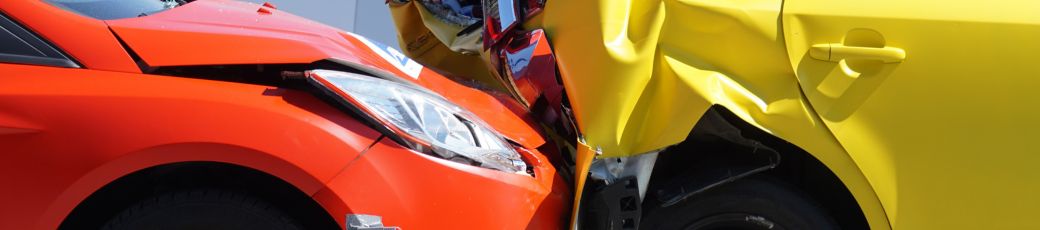
The location and severity of vehicle damage can sometimes provide clues about how a collision occurred.
In more complicated accidents, photographs, vehicle inspections, accident reconstruction, or other evidence may be necessary to understand the sequence of events.
Cellphone or Other Digital Evidence
Depending on the circumstances, electronic evidence may help establish whether a driver was distracted or what was happening immediately before a collision.
Not every accident will involve this type of evidence, and obtaining or using it may require appropriate legal procedures.
Medical Records
Medical records generally do not determine who caused a crash by themselves. However, they can help document the injuries that resulted from an accident and the treatment required afterward.
This can become particularly important when a driver claims that an injured person’s medical problems were unrelated to the collision.
What Is Comparative Fault in Texas?
Texas uses a legal system commonly described as modified comparative negligence or proportionate responsibility.
Under Texas Civil Practice and Remedies Code Chapter 33, a claimant cannot recover damages if their percentage of responsibility is greater than 50%.
If the claimant is 50% or less responsible, the amount of damages is reduced according to the claimant’s percentage of responsibility.
For example, imagine that a person has $100,000 in damages after a car accident.
If that person is found to be 20% responsible for the accident, their recoverable damages would generally be reduced by 20%, leaving $80,000.
If that person were found to be 51% responsible, Texas law would generally prevent recovery under the proportionate responsibility rule.
These percentages can make a significant difference in a personal injury case.
How Can Someone Be Partially at Fault for a Crash?
Being partially responsible does not necessarily mean that another driver is not responsible.
Consider a hypothetical collision in McAllen.
Suppose Driver A is traveling above the speed limit. At the same time, Driver B makes an unsafe lane change and enters Driver A’s path.
Depending on the evidence, both drivers could potentially be assigned some responsibility.
The important question becomes how much each person’s conduct contributed to the accident and resulting harm.
This is why statements such as “the other driver caused the crash” may not tell the entire legal story.
The evidence matters.
Does the Police Report Determine Who Is at Fault?
Not necessarily.
A police report can be an important piece of evidence, but determining civil liability can involve much more than the conclusions or observations contained in a crash report.
For example, an officer may arrive after a collision and document what the drivers and witnesses report. Other evidence may later show additional information about the sequence of events.
Insurance companies may conduct their own investigations, and a personal injury case may involve additional evidence gathered during the claims or litigation process.
If the insurance company disputes fault, having evidence that supports your account of the accident can become particularly important.
How Insurance Companies Determine Fault
After a collision, the insurance companies involved may investigate the accident to determine whether their insured was responsible and whether the claim should be paid.
An insurance adjuster may review information such as:
- Police reports
- Statements from drivers
- Witness information
- Photographs
- Vehicle damage
- Medical documentation
- Insurance policies
- Other available evidence
The Texas Department of Insurance explains that when another driver causes an accident, their insurance may be responsible for covered losses. However, disputes can arise when the insurance company does not agree that its driver was at fault.
If an insurer disputes liability, you may need to provide additional evidence supporting your claim.
What Happens When Both Drivers Blame Each Other?
This situation is more common than people might expect.
One driver says the light was green.
The other driver says the light was green.
Both claim the other vehicle changed lanes.
Both believe they had the right of way.
Human beings are remarkably talented at remembering events in the way most favorable to themselves.
When accounts conflict, evidence becomes especially important.
Photographs, witnesses, video footage, vehicle damage, traffic signals, road markings, police reports, and other information can help establish what actually happened.
Why Location Matters in an RGV Car Accident
Car accidents happen throughout the Rio Grande Valley, including McAllen, Edinburg, Mission, Pharr, San Juan, Alamo, Donna, Weslaco, Mercedes, and surrounding communities.
The area includes busy highways, major intersections, frontage roads, residential streets, commercial areas, and rapidly developing roadways.
A collision on a major corridor in McAllen or Edinburg can involve very different circumstances from a crash in a residential neighborhood.
For example, an accident may involve:
- Multiple lanes of traffic
- Entrance or exit ramps
- Heavy congestion
- Commercial vehicles
- Construction zones
- Traffic signals
- Pedestrians or cyclists
- Changing traffic patterns
- Poor visibility
- Wet or hazardous road conditions
Understanding the location and roadway conditions can therefore be important when investigating how a particular collision occurred.
TxDOT maintains crash records and statewide crash data, including information organized by county and city, as part of its traffic safety and crash-analysis programs.
What Should You Do After a Car Accident in McAllen or Edinburg?
If you are involved in a collision, there are several steps that can help preserve important information.
1. Seek Medical Attention
If you are injured, seek appropriate medical care.
Some injuries may not be immediately obvious after a crash, particularly when adrenaline and stress are high.
2. Report the Accident When Appropriate
If law enforcement responds, obtain information about the crash report and how to access it.
3. Photograph the Scene
If it is safe to do so, photograph the vehicles, roadway, traffic signs, visible injuries, debris, and other relevant conditions.
4. Gather Witness Information
If people witnessed the collision, obtain their contact information when possible.
5. Notify Your Insurance Company
Your insurance policy may require you to report an accident within a certain period. Review your policy and notify your insurer as appropriate.
6. Be Careful With Statements
Be truthful when communicating about the accident, but avoid guessing about facts you do not remember.
If another driver’s insurance company asks you for a recorded statement, understand what is being requested and consider speaking with a personal injury attorney before providing one.
7. Preserve Documentation
Keep copies of:
- Medical bills
- Medical records
- Prescription expenses
- Repair estimates
- Insurance correspondence
- Lost-wage documentation
- Photographs
- Other accident-related records
These documents may become important when evaluating the full impact of the accident.
How Can a Personal Injury Attorney Help Determine Fault?
Determining fault can become complicated when the insurance company disputes responsibility or attempts to assign some of the blame to the injured person.
An attorney can review the circumstances of the accident and help identify evidence that may be relevant to establishing liability.
At Brasure Law PLLC, Chris Brasure can help guide injured clients through the process by:
Reviewing the Accident
The circumstances surrounding the collision can be examined to understand what happened and what evidence may support your position.
Reviewing Available Evidence
Important evidence may include photographs, police reports, witness information, medical records, insurance documents, and other available materials.
Communicating With Insurance Companies
Insurance claims can involve repeated calls, questions, requests for documentation, and settlement discussions. An attorney can help manage appropriate communications and advocate for your interests.
Evaluating Your Damages
Fault is only part of a personal injury claim. The extent of your injuries and resulting damages also matter.
Depending on the circumstances, damages may involve medical expenses, lost income, physical pain, and other losses.
Negotiating a Settlement
If the insurance company accepts responsibility but disputes the value of the claim, an attorney can help evaluate the offer and determine whether additional negotiation may be appropriate.
Pursuing Litigation When Necessary
Not every personal injury claim goes to court. However, when a fair resolution cannot be reached, litigation may become necessary.
An attorney can explain the available options and help you understand what the next steps may look like.
How Long Do You Have to File a Car Accident Injury Lawsuit in Texas?
Texas generally provides a two-year limitations period for bringing a personal injury lawsuit, although exceptions can apply depending on the circumstances.
That does not mean you should wait two years before speaking with an attorney.
Evidence can become harder to locate, memories can fade, vehicles may be repaired or sold, and other information may become more difficult to obtain as time passes.
If you were injured in a car accident, getting legal guidance early can help you understand the deadlines and steps that may apply to your particular situation.
Talk to a McAllen or Edinburg Personal Injury Attorney
If you were injured in a car accident in McAllen, Edinburg, or another community in the Rio Grande Valley, determining fault may be one of the most important parts of your personal injury claim.
Texas law allows responsibility to be divided among the people who contributed to an accident, which means even an allegation that you were partially at fault can have a significant effect on your potential recovery.
You do not have to determine fault or deal with the insurance company entirely on your own.
Chris Brasure of Brasure Law PLLC can help you understand the claims process, review the circumstances of your accident, evaluate available evidence, and explain your legal options.
If you or a loved one has been injured in a car accident in McAllen, Edinburg, Mission, Pharr, or anywhere in the Rio Grande Valley, contact Brasure Law PLLC today to schedule a consultation and get the help you need to protect your rights and pursue the compensation you may be entitled to.